

The openings in our home are very important, not only from a design point of view. They are our way of bringing light and nature into the house and creating a direct connection between the inside and outside. They affect heating/cooling, our use of lighting, and the quality of the insulation and sealing.
The openings' size and location will be planned according to the nature of the structure, the internal function and use of the space, and the directions of the light. If we face a garden, the sea, or a breathtaking view, we will likely want to create large and wide openings and try to bring all this goodness from the outside into the house. On the other hand, in places where we want to maintain privacy, such as in bathrooms, we can create narrow, small openings that start at the upper part of the wall.
After placing the openings, their size, height, and width, we can choose the material from which the frameworks will be made. Of course, this will also affect the design style of the house.
Well, will it be aluminum, iron, wood or PVC?
Let's start with aluminum. Aluminum is the most common frame in Israel due to its material, installation, and maintenance costs. It exists in various styles and qualities that affect its price range. It is important to understand that, as a general rule, the wider the opening, the thicker the glass and the frame.
As part of the existing aluminum frames, there is an option to choose an aluminum frame that imitates the Belgian frame without investing in maintenance and saving quite a bit of money. A Belgian-like aluminum frame is narrower than the classic model. It allows the creation of a division similar to the one in an original Belgian window and even gain a more refined look.
Aluminum frames are more resistant to changing weather conditions and can be sealed very well. Although it is not considered particularly insulating, there are solutions. A model with an air pocket along the frame can produce thermal insulation.
Belgian frame
It is mostly used in private houses when our construction/renovation budget is high. It is a very thin frame compared to the other materials due to the strength of the material it is made of. It has a delicate appearance, and the frames can be divided according to what we want. Its main disadvantage is that it is not sealed and not resistant to harsh climatic conditions, especially in areas where humidity and salinity are high, and requires high maintenance otherwise it will rust. Another disadvantage is that it is more expensive (approximately two and a half times) than a Belgian-style aluminum frame.
Wooden frame
It is often used in private houses with a country style. Among its advantages is that it highly insulates because it is a natural material. The disadvantage is that it requires high maintenance and tends to swell and shrink depending on the different seasons and the effect of heat/cold.
PVC frame
This frame thermally insulates at a very high level. It comes as a frame with a wood-like appearance. Its notable disadvantage is that it is significantly wider than other frames, affecting the window's visibility.
So as you understood, the design also includes selecting the type of window frame, the material from which it will be made, the finish, the color, and the budget.
The size of the opening is also a factor that will dictate its type. And when we talk about openings, it is important to understand if we want to add a roller shutter/shade and what type of glass we want to use.
Feel free to contact me,
Lilian Benshoam
Architect and interior designer.
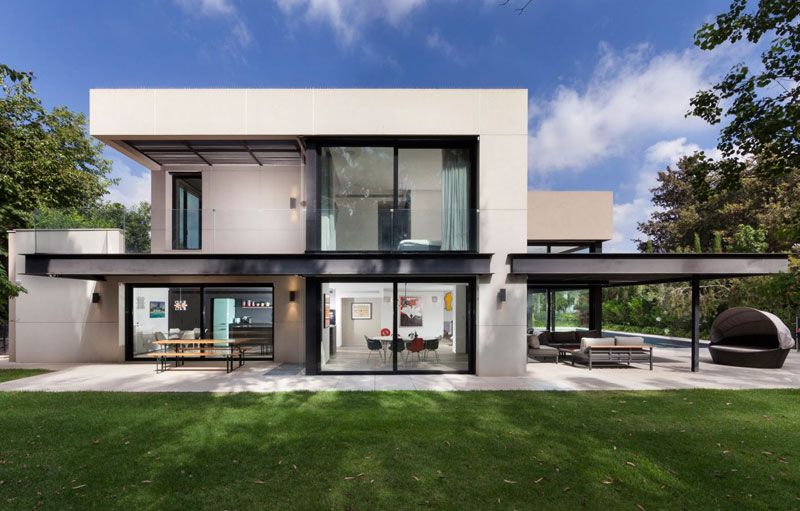
(Source: Architecture and Interior Design – Kfar Shmaryahu Villa H Project)
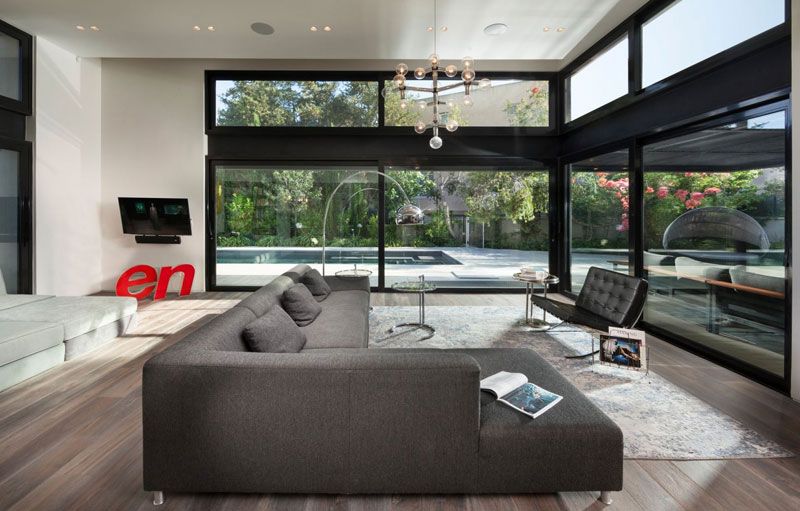
(Source: Architecture and Interior Design – Kfar Shmaryahu Villa H Project)
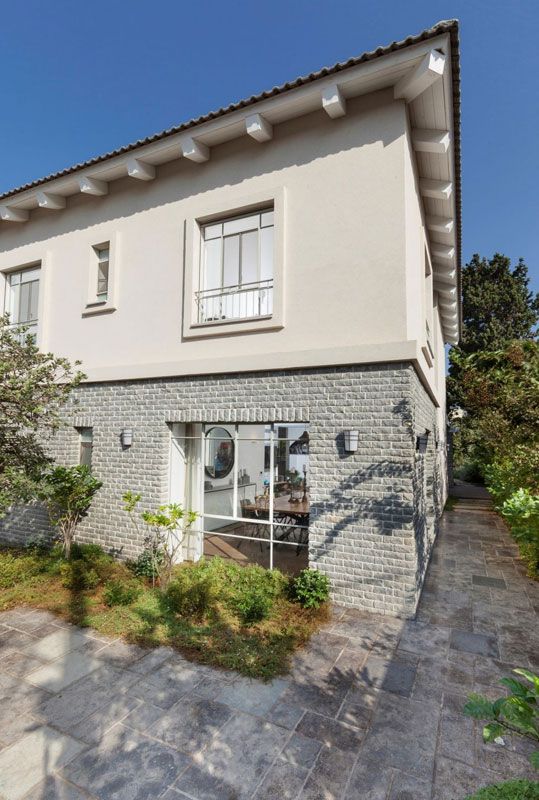
(Source: Architecture and Interior Design – Ramat Hasharon Villa V Project)

(Source: Architecture and Interior Design – Ramat Hasharon Villa V Project)
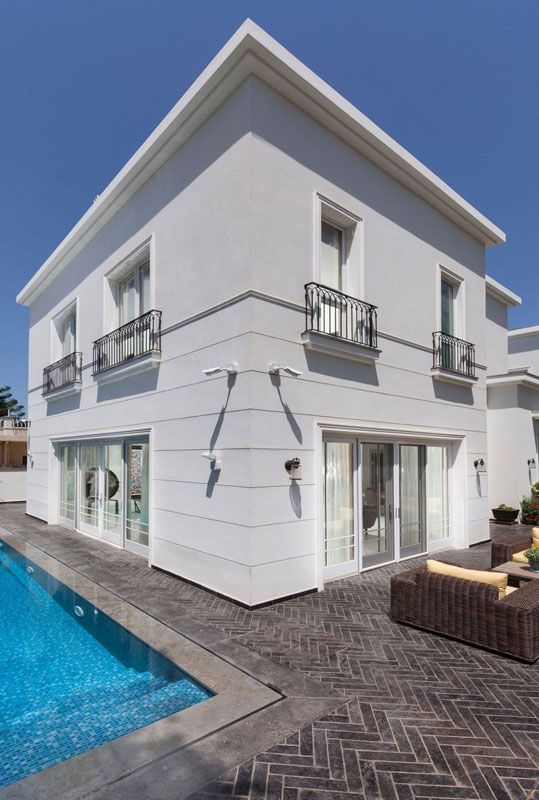
(Source: Architecture and Interior Design – Tel Aviv Villa B Project)
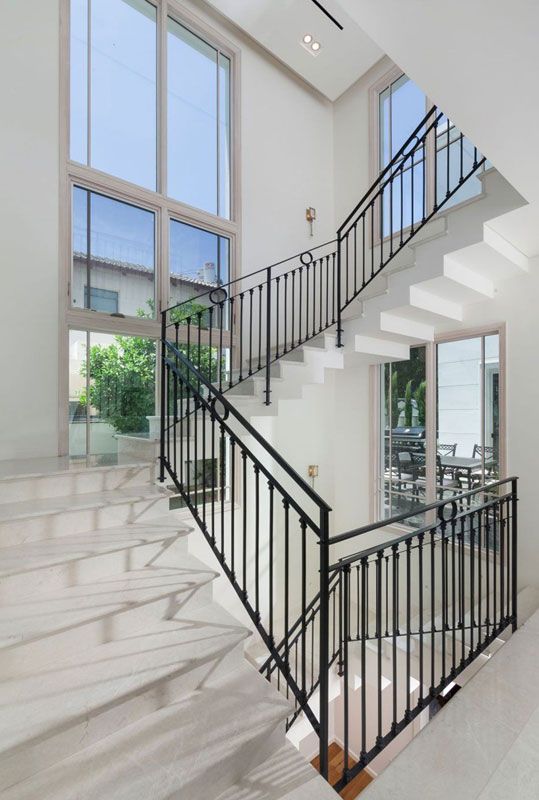
(Source: Architecture and Interior Design – Tel Aviv Villa B Project)
87 Sokolov St., Ramat Hasharon 47238 | Tel.: +972-3549932 | Mobile: +972-522333288 | email: [email protected]
Whatsapp: +972-522333288


